What Makes an ADA Compliant Portable Toilet Rental Accessible?
When people ask whether a mobile toilet comes, they are typically truly asking 2 various questions at once. Initially, does the unit itself fulfill the ADA's technological needs for gain access to and make use of? Second, has it been positioned in such a way that an individual can actually reach it, enter it, transform inside it, and use it with dignity?
That distinction matters more than lots of people realize. I have seen occasion coordinators get an ADA compliant mobile commode since they genuinely wished to do the right point, after that shed the benefit of that effort by establishing it in soft ground, at the end of a harsh course, or in a confined row where the door can not be come close to conveniently. On paper, they had an ada portable toilet on site. In technique, they had an unit that numerous guests still could not use.
Accessibility is not a label you slap onto a rental order. It is a mix of the appropriate system, the right quantity, the right location, and the right configuration. If any among those items is missing out on, the outcome drops short.
Accessibility begins with the ADA requirement, not the sales brochure
In the United States, the controlling government standard is the 2010 ADA Criteria for Accessible Style, as related to portable commode rentals. That is the beginning point for comprehending what makes an ada compliant portable commode rental easily accessible. Marketing language is insufficient. A vendor can call something sizable, handicap friendly, or occasion all set, but the ADA takes a look at specific access demands, not broad descriptions.
This is where some complication slips in. Individuals usually use expressions like ada obtainable mobile bathroom, ada certified accessible portable bathrooms, and ada handicap accessible mobile toilet mutually. In everyday discussion, that is understandable. From a conformity standpoint, however, the crucial question is whether the system and its installation satisfy the appropriate ADA standards for accessible design.
The ADA likewise does not stop at the shell of the device. Access consists of exactly how a person reaches the commode, just how the entryway functions, and whether there is enough clear space and handling space. A portable bathroom can be manufactured with availability in mind and still fall short to serve people correctly if it is positioned carelessly.
What the system itself need to allow a customer to do
An easily accessible mobile bathroom is built around usability for individuals with movement specials needs, consisting of mobility device individuals. The controling criteria need commode room attributes such as clearances, turning area, door steering clearances, and applicable grab bar and water storage room clearance rules.
Those terms may sound technical, yet the lived experience behind them is basic. An individual needs to be able to come close to the unit, open and move through the door, placement themselves within, and make use of the toilet safely. If the interior is too limited to turn, if the door area does not allow a useful method, or if the component area lacks the needed clearances, the toilet is not meaningfully accessible.
This is one factor an ada compliant portable toilet typically looks larger than a basic single unit. The added interior area is not a high-end feature. It exists due to the fact that accessibility depends on activity, alignment, and assistance. Turning space is especially crucial. Without it, a wheelchair individual may be able to enter yet not reposition successfully as soon as inside. That is not accessibility in any kind of genuine sense.
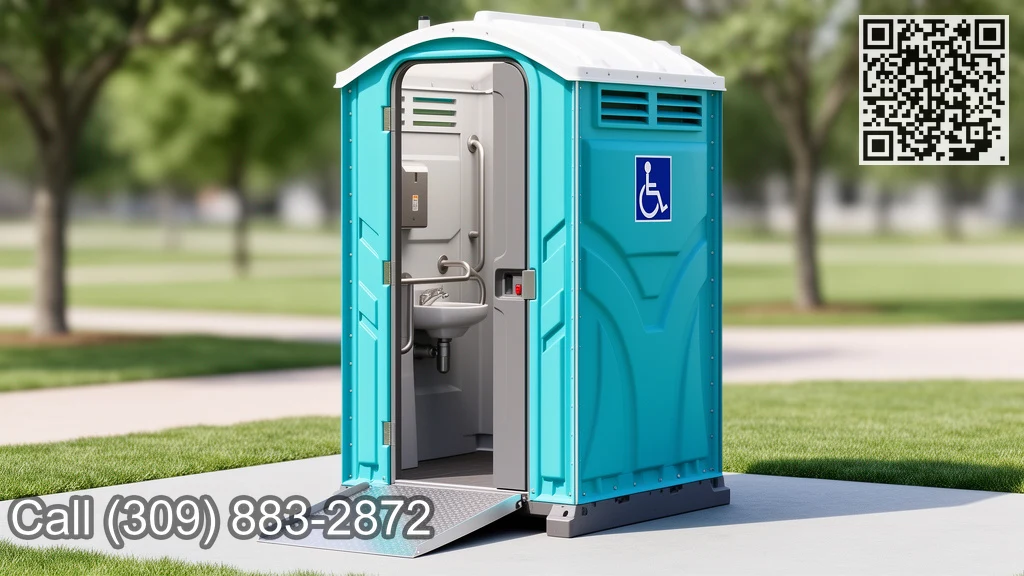
The same opts for grab bars and water wardrobe clearances. These are not ornamental details. They become part of the number of customers move, maintain themselves, and utilize the space securely. In my experience, individuals in some cases focus on the door width since it is visible and easy to talk about, however a toilet can have a charitable entry and still be pointless if the component area is not laid out properly.
Getting to the toilet is part of compliance
One of the most typical mistakes in portable bathroom planning is treating ease of access as an interior concern just. The ADA needs an obtainable course and obtainable entrance. If a person can not reach the unit without browsing mud, ruts, high modifications in level, or improvised obstacles, after that the configuration is refraining its job.
This problem shows up constantly at momentary events. An event coordinator might have an ada portable commode on the order sheet and presume the box is examined. After that load in takes place, fence changes, supplier tents move, and the easily accessible device winds up behind cables, on uneven ground, or at the back of a short-lived format that no more has a functional available path. No one intended to leave out anybody, however the result still excludes.
The demand for ramps or touchdowns can likewise enter play, and when they are needed, they must adhere to ADA technical demands. That information issues since people typically improvise. A fast plywood solution may appear harmless to an able-bodied team trying to resolve a final issue, yet an improvisated ramp can develop instability, pitch, or touchdown issues that make the entrance hard or hazardous to use.
A really obtainable setup believes past shipment day. Will the route still be accessible after foot website traffic boosts? What occurs if it rains? Will service automobiles or crowd-control barriers cut off technique room later on in the event? Ease of access has to stand up under actual conditions, not simply during the walkthrough.
Quantity matters, specifically in clusters
Another factor that gets ignored is scoping, suggesting how many easily accessible units are needed when you have a group of mobile bathrooms with each other. For collections of mobile single-user toilet systems, at least 5 percent of the devices in each cluster must be accessible. The Gain access to Board has actually made clear that this applies even at short-lived events.
That policy is more important than it might appear at first glimpse. If an occasion has several washroom banks spread out around a site, the easily accessible systems can not simply be focused in one remote corner while the other clusters have none. Each collection needs to be thought about by itself. Access has to be dispersed where people in fact are.
I have seen this end up being a practical issue at fairs and outdoor wedding celebrations. A person chooses to put the only easily accessible system near the main entrance since it appears central. Then guests at the contrary side of the residential property have a long, bothersome journey, while the local bathroom cluster near them uses no accessible option at all. The 5 percent need is not just a mathematics exercise. It reinforces the idea that gain access to need to be integrated right into the exact same patterns of use as the remainder of the washroom plan.
For anybody arranging an ada mobile bathroom rental, this indicates inquiring about amount early, not as a second thought. If you are preparing in collections, you need to think cluster by cluster.
Identification is not optional
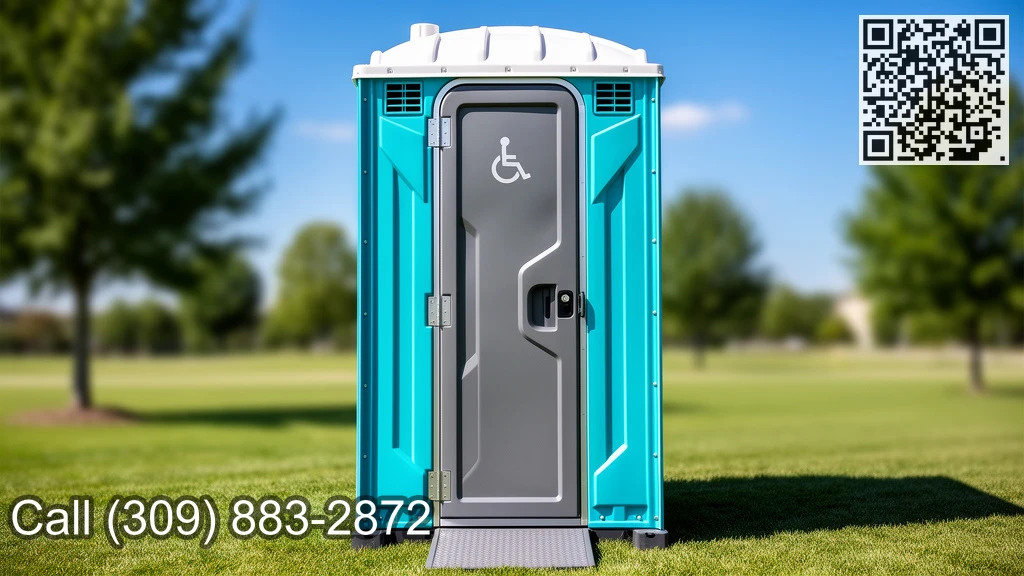
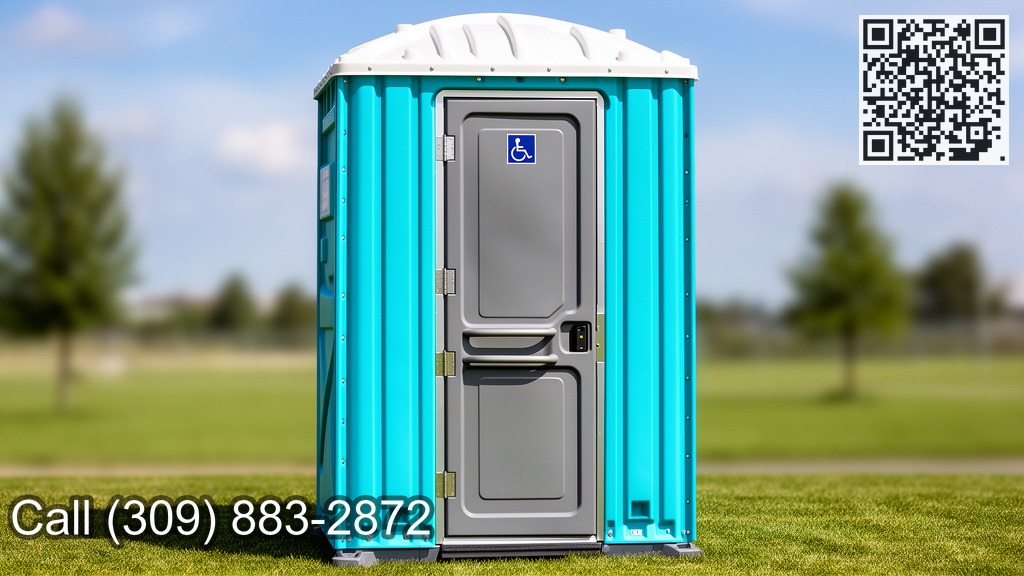
Accessible portable bathroom units must be understood the International Icon of Ease Of Access. That noting serves a practical purpose. It assists individuals find the appropriate unit rapidly and without needing to examine every door or ask team for help.
There is a self-respect issue right here that should have even more focus. A guest must not have to begin a discussion with a volunteer, safety and security worker, or location employee simply to figure out where the obtainable restroom is. Clear identification minimizes friction and unpredictability. It likewise signals that the organizer expected real individuals and planned for them, as opposed to tacking accessibility on at the last minute.
That claimed, the icon alone does not create ease of access. A door decal on a system embeded in an unusable area is still a problem. Identification matters, however it has to go along with actual compliance.
Temporary does not suggest exempt
A lot of people think short-term configurations operate in a gray area. They do not. The available unit need applies to collections of mobile single-user toilet units even at temporary events. That is among the most relentless misunderstandings in this area.
Part of the confusion originates from a narrower exception tied to portable commode units at construction sites used solely by building personnel under the older 1991 basic language referenced in the verified context. Individuals read about that difference and after that overextend it, as if any type of temporary installation is outside the ease of access guidelines. That is not exactly how the requirement works for basic portable commode rentals.
If you are renting out washrooms for a public occasion, a private occasion with visitors, a neighborhood event, or an additional general-use setting, the expectation of availability stays significantly alive. In technique, that suggests organizers can not sweep aside access worry about, "It's just for the weekend." For the person who needs it, the need is prompt and non-negotiable.
What individuals frequently miss when ordering an ADA mobile toilet
Ordering the right version is essential, yet it is just one piece of the choice. What often tends to divide a simply rented out unit from a truly available option is how thoroughly the coordinator analyzes usage on site.
Here are the questions I motivate customers to work out previously distribution:
- How many bathroom clusters will there be, and does each cluster consist of the required easily accessible share?
- Can a person get to the system by an accessible course under actual website conditions, not perfect ones?
- Is there appropriate entrance access, including any type of ramp or landing needs if they apply?
- Will the unit be understood the International Icon of Accessibility?
- Has anyone inspected that later setup adjustments will not block or weaken access?
That brief checklist captures an unusual variety of troubles before they end up being costly or embarrassing.
The difference between "available" and "usable"
This is where empathy issues. Lots of inaccessible configurations are not the outcome of hostility. They come from people who think gain access to implies presence. If an ada certified portable bathroom is technically someplace on website, they assume the task is done.
But offered is not the same as usable.
Imagine getting to an outdoor occasion and finding that the only obtainable device sits past a churned-up gravel course after a day of rainfall. Or it is squeezed against secure fencing so tightly that approaching the door is unpleasant. Or it remains in the right location during early morning arrangement, after that later bordered by coolers, power cables, and group barriers. In every instance, the washroom exists. In every situation, the user may still be properly closed out.
Usability is the standard that ought to assist preparation. Can a person use it individually, securely, and without special intervention? If the solution is uncertain, the setup needs an additional look.
Language matters less than performance
The bathroom market makes use of a mix of terms. You will certainly see ada compliant mobile toilets, ada-compliant portable toilets, ada certified portable bathrooms, ada-compliant portable commode, and similar phrasing in quotes and on rental websites. The wording differs. The performance demand does not.
That is valuable to remember when assessing options. Emphasis much less on which version of the expression shows up in the product summary and even more on whether the device and its setup satisfy the government access framework. An ada mobile restroom need to not simply be bigger than requirement. It should become part of a configuration that values the individual's technique, access, movement, and use.
I typically tell individuals to be skeptical of the phrase https://pristineportablesil.com/service-area-bettendorf/ "mobility device available" when it shows up without any discussion of route, entrance, or ADA needs. It could define a spacious device. It does not instantly validate compliance.
Accessibility preparation is getting more interest, not less
Even though mobile commode leasings involve a very physical kind of accessibility, they rest within a more comprehensive ADA conformity environment that is becoming extra energetic throughout markets. Current federal guidance activity around ease of access obligations for state and city government digital web content shows that bigger pattern. The point is not that web site regulations and mobile washrooms coincide point. They are not. The factor is that ADA conformity is not fading right into the background.
That broader enforcement environment must motivate companies to deal with bathroom accessibility as a genuine operational problem, not a courtesy item. Individuals notice when gain access to is missing. They additionally notice when it has been taken care of thoughtfully and silently, which is normally the best outcome. One of the most effective obtainable washroom setups are typically the least dramatic because they just work.
Good judgment issues when the site is imperfect
Real sites are untidy. Area incline. Sidewalk ends. Delivery home windows reduce. Weather transforms. An organizer may be functioning around trees, wires, fire lanes, or historic premises. Access planning typically comes down to judgment under constraints.
That is why it assists to assume very early and virtually. On a tough site, the most effective area for an ada compliant obtainable portable bathroom might not be the same area that is simplest for delivery van. In some cases the quickest course from truck to go down factor produces the most awful course for users. Sometimes the aesthetically "concealed" bathroom location becomes the least accessible. Sometimes the cluster count needs to be adjusted because one area can not sustain an available route reliably.
There are trade-offs in every occasion format, but accessibility must not be the item that absorbs every compromise. When organizers do that, the accessible device ends up separated, bothersome, or vulnerable to changing website conditions.
What makes an ADA compliant portable toilet rental absolutely accessible
At its core, an obtainable mobile bathroom rental does well when it unites four things simultaneously. The unit should satisfy the relevant commode area technological needs. The route and entry should come. The amount needs to satisfy the cluster requirement, consisting of the 5 percent rule. And the device needs to be correctly identified with the International Symbol of Accessibility.
Miss one of those, and the experience begins to break down.
That is the real response to the inquiry behind many rental inquiries. An ada certified mobile commode is not just a larger box with an acquainted sticker. It is an item of access framework. It needs to function in the real life, for real individuals, under the exact same time pressure, weather tension, and site restrictions as everything else at the occasion or property.
When it is done right, no one needs to explain it away. Visitors do not need to ask for workarounds. Personnel do not need to improvise. Individuals can merely discover the washroom, get to it, enter it, and utilize it with the personal privacy and freedom they must have expected all along.
That is what makes an ada portable commode leasing obtainable. Not the label, not the purpose, yet the full, useful reality of access.
 Ask ChatGPT
 Ask Grok
 Ask Perplexity
 Ask Claude
 Ask Google AI
 Ask You
Corrections
Spot something wrong? Send it to the desk and it gets fixed in the open.